COLDS
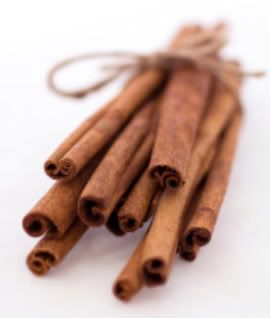
Mix a gram of dalchini/cinnamon powder with a teaspoon of honey to cure cold. Prepare a cup of tea to which you should add ginger, clove, bay leaf and black pepper. This should be consumed twice a day. Reduce the intake as the cold disappears.
Mix a gram of dalchini/cinnamon powder with a teaspoon of honey to cure cold. Prepare a cup of tea to which you should add ginger, clove, bay leaf and black pepper. This should be consumed twice a day. Reduce the intake as the cold disappears.
GINGER FOR COLDS.
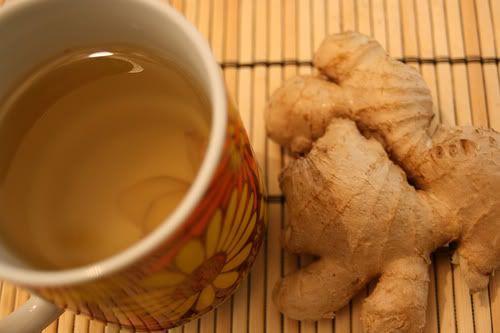
Ginger tea is very good to cure cold. Preparation of tea: cut ginger into small pieces and boil it with water, boil it a few times and then add sugar to sweeten and milk to taste, and drink it hot.
DRY COUGHS.
Add a gram of turmeric (haldi) powder to a teaspoon of honey for curing dry cough. Also chew a cardamom for a long time.
BLOCKED NOSE.
For blocked nose or to relieve congestion, take a table spoon of crushed carom seeds (ajwain) and tie it in a cloth and inhale it.
SORE THROAT.

Add a tea spoon of cumin seeds (jeera) and a few small pieces of dry ginger to a glass of boiling water. Simmer it for a few minutes, and then let it cool. Drink it twice daily. This will cure cold as well as sour throat.
CURE FOR BACKACHE.
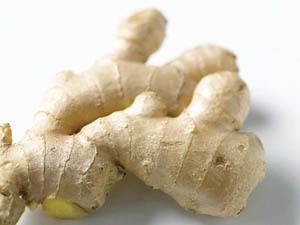
Rub ginger paste on the backache to get relief.
GARLIC FOR HIGH BLOOD PRESSURE.
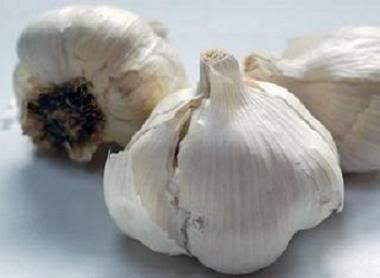
Have 1-2 pod garlic (lasan) first thing in the morning with water.
HONEY AND GINGER FOR HIGH BLOOD PRESSURE.
Mix 1 table spoon and 1 table spoon ginger (adrak) juice, 1 table spoon of crushed cumin seeds (jeera), and have it twice daily.
MIGRAINE.
For the cure of migraine or acute cold in the head; boil a tablespoon of pepper powder, and a pinch of turmeric in a cup of milk, and have it daily for a few couple of days.
BITTER GOURD/KARELA IS GOOD..

A tablespoon of amla juice mixed with a cup of fresh bitter gourd (karela) juice and taken daily for 2 months reduces blood sugar.
TURMERIC/ARAD CURE FOR INJURIES
For any cut or wound, apply turmeric powder to the injured portion to stop the bleeding. It also works as an antiseptic. You can tie a bandage after applying haldi/turmeric.
CRAMPS
You must do a self-massage using mustard oil every morning. Just take a little oil between your palms and rub it all over your body. Then take a shower. This is especially beneficial during winter. You could also mix a little mustard powder with water to make a paste and apply this on your palms and soles of your feet.
HEADACHES.
If you have a regular migraine problem, include five almonds along with hot milk in your daily diet. You could also have a gram of black pepper along with honey or milk, twice or thrice a day. Make an almond paste by rubbing wet almonds against a stone. This can be applied to forehead. Eat an apple with a little salt on an empty stomach everyday and see its wonderful effects. OR When headache is caused by cold winds, cinnamon works best in curing headache. Make a paste of cinnamon by mixing in water and apply it all over your forehead.
TURMERIC....

FOR ARTHRITIS.
Turmeric can be used in treating arthritis due to its anti-inflammatory property. Turmeric can be taken as a drink other than adding to dishes to help prevent all problems. Use one teaspoon of turmeric powder per cup of warm milk every day. It is also used as a paste for local action.
GOOD FOR THE HEART
Turmeric lower cholesterol and by preventing the formation of the internal blood clots improves circulation and prevents heart disease and stroke. Turmeric can be taken as a drink other than adding to dishes to help prevent all problems. Use one teaspoon of turmeric powder per cup of warm milk every day. It is also used as a paste for local action.
GOOD FOR INDIGESTION
Turmeric can be used to relieve digestive problems like ulcers, dysentery. Turmeric can be taken as a drink other than adding to dishes to help prevent all problems. Use one teaspoon of turmeric powder per cup of warm milk every day. It is also used as a paste for local action.
HONEY IS A GOOD CURE FOR ALL DISEASES

Mix 1 teaspoon honey with ? teaspoon cinnamon powder and have at night.
HICCUPS
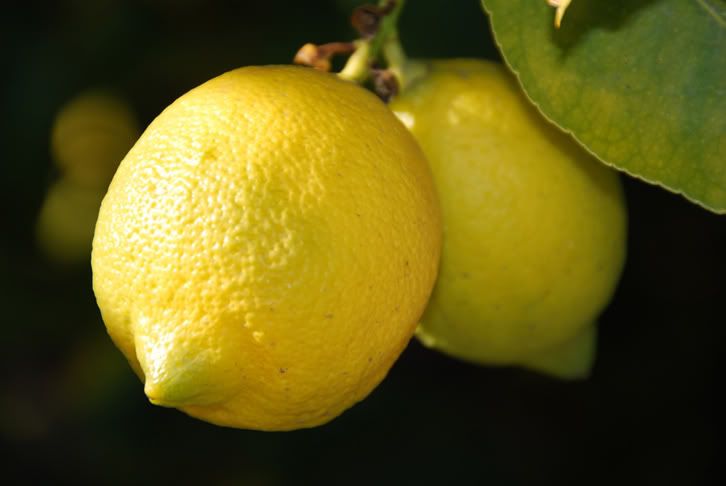
Take a warm slice of lemon and sprinkle salt, sugar and black pepper on it. The lemon should be eaten until the hiccups stop.
HIGH BLOOD CHOLESTEROL
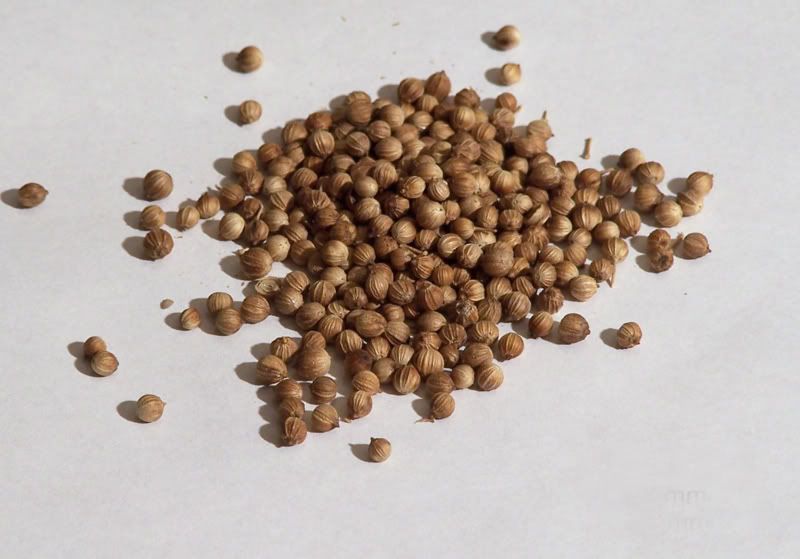
In 1 glass of water, add 2 tbsps of coriander/dhania seeds and bring to a boil. Let the decoction cool for some time and then strain. Drink this mixture two times in a day. OR Sunflower seeds are extremely beneficial, as they contain linoleic acid that helps in reducing the cholesterol deposits on the walls of arteries.
PILES
Radish juice should be taken twice a day, once in the morning and then later in the night. Initially drink about 2 cups of radish juice ; once in the morning and then later in the night. OR Soak 3-4 figs in a glass of water. Keep it overnight. Consume the figs on an empty stomach, the next day in the morning.
VOMITING

Take 2 cardamoms/elachi and roast them on a dry pan (tava). Powder the cardamoms and thereafter add a tsp of honey in it. Consume it frequently. It serves as a fabulous home remedy for vomiting. OR In the mixture of 1 tsp of
mint juice and 1 tsp limejuice, add 2 tsp of ginger juice and 1 tsp honey. Drink this mixture to prevent vomiting. OR Limejuice is an effective remedy for vomiting. Take a glass of chilled limejuice and sip slowly. To prevent vomiting, drink ginger tea. OR In 1 glass water, add some honey and drink sip by sip.
WARTS
Apply castor oil daily over the problematic area. Continue for several months. OR apply milky juice of fresh and barely-ripe figs a number of times a day. Continue for two weeks. OR Rub cut raw potatoes on the affected area several times daily. Continue for at least two weeks. OR Rub cut onions on the warts to stimulate the circulation of blood.. OR Apply milk from the cut end of dandelion over the warts 2-3 times a day. OR Apply oil extracted from
the shell of the cashew nut over the warts. OR Apply papaya juice OR Apply pineapple juice.
URINARY TRACT INFECTION
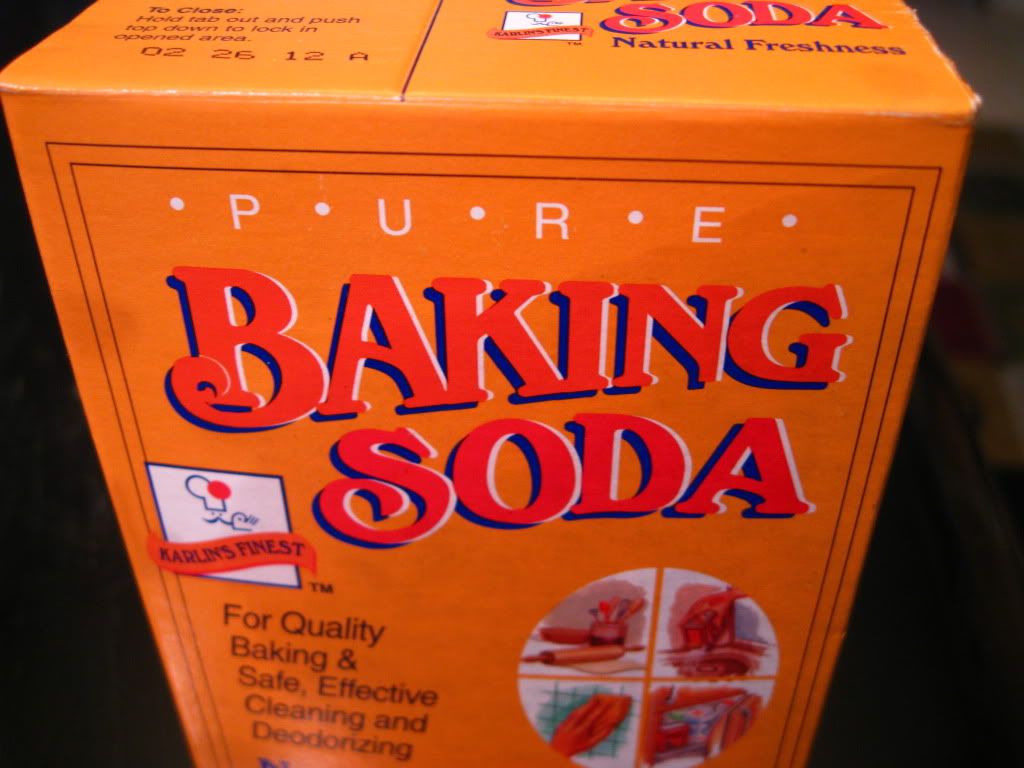
In 8 oz of water, put 2 tsp of baking soda and drink it. OR Drink plenty of water, as it aids in flushing out the waste products from the body. OR Drink Cranberry juice. You can also add some apple juice for taste.
SINUSITIS
Mango serves as an effective home remedy for preventing the frequent attacks of sinus, as it is packed with loads of vitamin A. OR Another beneficial remedy consists of consuming pungent foods like onion and garlic, as a part of your daily meals. OR Fenugreek/methi leaves are considered valuable in curing sinusitis. In 250 ml water, boil 1 tsp of Fenugreek seeds and reduce it to half. This will help you to perspire, dispel toxicity and reduce the fever period. OR Tie a tsp of black cumin seeds in a thin cotton cloth and inhale.
TONSILITIS
Take a fresh lemon and squeeze it in a glass of water. Add 4 tsp of honey and ¼ tsp of salt in it. Drink it slowly sip by sip. OR Milk has proved beneficial in treating tonsillitis. In 1 glass of pure boiled milk, add a pinch of turmeric powder and pepper powder. Drink it every night for about 3 days.
Ginger tea is very good to cure cold. Preparation of tea: cut ginger into small pieces and boil it with water, boil it a few times and then add sugar to sweeten and milk to taste, and drink it hot.
DRY COUGHS.
Add a gram of turmeric (haldi) powder to a teaspoon of honey for curing dry cough. Also chew a cardamom for a long time.
BLOCKED NOSE.
For blocked nose or to relieve congestion, take a table spoon of crushed carom seeds (ajwain) and tie it in a cloth and inhale it.
SORE THROAT.
Add a tea spoon of cumin seeds (jeera) and a few small pieces of dry ginger to a glass of boiling water. Simmer it for a few minutes, and then let it cool. Drink it twice daily. This will cure cold as well as sour throat.
CURE FOR BACKACHE.
Rub ginger paste on the backache to get relief.
GARLIC FOR HIGH BLOOD PRESSURE.
Have 1-2 pod garlic (lasan) first thing in the morning with water.
HONEY AND GINGER FOR HIGH BLOOD PRESSURE.
Mix 1 table spoon and 1 table spoon ginger (adrak) juice, 1 table spoon of crushed cumin seeds (jeera), and have it twice daily.
MIGRAINE.
For the cure of migraine or acute cold in the head; boil a tablespoon of pepper powder, and a pinch of turmeric in a cup of milk, and have it daily for a few couple of days.
BITTER GOURD/KARELA IS GOOD..
A tablespoon of amla juice mixed with a cup of fresh bitter gourd (karela) juice and taken daily for 2 months reduces blood sugar.
TURMERIC/ARAD CURE FOR INJURIES
For any cut or wound, apply turmeric powder to the injured portion to stop the bleeding. It also works as an antiseptic. You can tie a bandage after applying haldi/turmeric.
CRAMPS
You must do a self-massage using mustard oil every morning. Just take a little oil between your palms and rub it all over your body. Then take a shower. This is especially beneficial during winter. You could also mix a little mustard powder with water to make a paste and apply this on your palms and soles of your feet.
HEADACHES.
If you have a regular migraine problem, include five almonds along with hot milk in your daily diet. You could also have a gram of black pepper along with honey or milk, twice or thrice a day. Make an almond paste by rubbing wet almonds against a stone. This can be applied to forehead. Eat an apple with a little salt on an empty stomach everyday and see its wonderful effects. OR When headache is caused by cold winds, cinnamon works best in curing headache. Make a paste of cinnamon by mixing in water and apply it all over your forehead.
TURMERIC....

FOR ARTHRITIS.
Turmeric can be used in treating arthritis due to its anti-inflammatory property. Turmeric can be taken as a drink other than adding to dishes to help prevent all problems. Use one teaspoon of turmeric powder per cup of warm milk every day. It is also used as a paste for local action.
GOOD FOR THE HEART
Turmeric lower cholesterol and by preventing the formation of the internal blood clots improves circulation and prevents heart disease and stroke. Turmeric can be taken as a drink other than adding to dishes to help prevent all problems. Use one teaspoon of turmeric powder per cup of warm milk every day. It is also used as a paste for local action.
GOOD FOR INDIGESTION
Turmeric can be used to relieve digestive problems like ulcers, dysentery. Turmeric can be taken as a drink other than adding to dishes to help prevent all problems. Use one teaspoon of turmeric powder per cup of warm milk every day. It is also used as a paste for local action.
HONEY IS A GOOD CURE FOR ALL DISEASES
Mix 1 teaspoon honey with ? teaspoon cinnamon powder and have at night.
HICCUPS
Take a warm slice of lemon and sprinkle salt, sugar and black pepper on it. The lemon should be eaten until the hiccups stop.
HIGH BLOOD CHOLESTEROL
In 1 glass of water, add 2 tbsps of coriander/dhania seeds and bring to a boil. Let the decoction cool for some time and then strain. Drink this mixture two times in a day. OR Sunflower seeds are extremely beneficial, as they contain linoleic acid that helps in reducing the cholesterol deposits on the walls of arteries.
PILES
Radish juice should be taken twice a day, once in the morning and then later in the night. Initially drink about 2 cups of radish juice ; once in the morning and then later in the night. OR Soak 3-4 figs in a glass of water. Keep it overnight. Consume the figs on an empty stomach, the next day in the morning.
VOMITING
Take 2 cardamoms/elachi and roast them on a dry pan (tava). Powder the cardamoms and thereafter add a tsp of honey in it. Consume it frequently. It serves as a fabulous home remedy for vomiting. OR In the mixture of 1 tsp of
mint juice and 1 tsp limejuice, add 2 tsp of ginger juice and 1 tsp honey. Drink this mixture to prevent vomiting. OR Limejuice is an effective remedy for vomiting. Take a glass of chilled limejuice and sip slowly. To prevent vomiting, drink ginger tea. OR In 1 glass water, add some honey and drink sip by sip.
WARTS
Apply castor oil daily over the problematic area. Continue for several months. OR apply milky juice of fresh and barely-ripe figs a number of times a day. Continue for two weeks. OR Rub cut raw potatoes on the affected area several times daily. Continue for at least two weeks. OR Rub cut onions on the warts to stimulate the circulation of blood.. OR Apply milk from the cut end of dandelion over the warts 2-3 times a day. OR Apply oil extracted from
the shell of the cashew nut over the warts. OR Apply papaya juice OR Apply pineapple juice.
URINARY TRACT INFECTION
In 8 oz of water, put 2 tsp of baking soda and drink it. OR Drink plenty of water, as it aids in flushing out the waste products from the body. OR Drink Cranberry juice. You can also add some apple juice for taste.
SINUSITIS
Mango serves as an effective home remedy for preventing the frequent attacks of sinus, as it is packed with loads of vitamin A. OR Another beneficial remedy consists of consuming pungent foods like onion and garlic, as a part of your daily meals. OR Fenugreek/methi leaves are considered valuable in curing sinusitis. In 250 ml water, boil 1 tsp of Fenugreek seeds and reduce it to half. This will help you to perspire, dispel toxicity and reduce the fever period. OR Tie a tsp of black cumin seeds in a thin cotton cloth and inhale.
TONSILITIS
Take a fresh lemon and squeeze it in a glass of water. Add 4 tsp of honey and ¼ tsp of salt in it. Drink it slowly sip by sip. OR Milk has proved beneficial in treating tonsillitis. In 1 glass of pure boiled milk, add a pinch of turmeric powder and pepper powder. Drink it every night for about 3 days.